.png)
Building More Predictable Recruiting Operations in Staffing
October 8, 2026
.jpg)
Consider two recruiters sitting at adjacent desks within the same enterprise staffing firm. They have access to the exact same tech stack, possess identical LinkedIn Recruiter licenses, and work the same high-volume client accounts.
Yet, their production profiles look like they belong to different companies.
The first recruiter consistently hits submittal targets within 24 hours, maintains a 3:1 submission-to-interview ratio, and meets client service-level agreements (SLAs) without breaking a sweat. The second recruiter is caught in a perpetual cycle of triage scrambling to cover jobs days after they are released, experiencing high candidate drop-off rates, and struggling with unpredictable placement volumes.
When performance varies this wildly under the same roof, leadership teams usually default to a human-centric diagnosis: Recruiter A just has more drive, better intuition, or a stronger work ethic than Recruiter B.
But as an operations leader who has spent years auditing and scaling delivery models, I can tell you that this diagnosis is almost always wrong.
Staffing success is rarely determined by individual heroics or raw effort. It is determined by the underlying architecture of your staffing operations. When recruiting outcomes are volatile, it is because your delivery infrastructure forces recruiters to act as independent craftsmen rather than operators within a predictable assembly line. To build a staffing firm that can scale its top-line revenue without an exponential, margin-eroding increase in administrative headcount, you must move past a culture of individual dependency and commit to systematic recruitment process optimization.
What Are Staffing Operations?
Staffing operations represents the foundational infrastructure encompassing people management, process governance, technology integration, and data analytics that supports, standardizes, and scales a staffing firm's talent delivery engine.
It is the operational framework that converts an open client requisition into a compliant, billed placement with the lowest possible friction and the highest possible speed-to-market.
A mature staffing operations function bridges the gap between front-office sales goals and back-office delivery through four core components:
- People and Role Architecture: Defining structural ownership across the delivery lifecycle—ensuring that sourcers source, recruiters evaluate and close, and account managers interface with clients, rather than forcing a single professional to manage a chaotic 360-degree loop.
- Workflow Governance: Designing and enforcing strict standard operating procedures (SOPs) that dictate how a job is parsed, how a candidate is vetted, and how data is structured within internal tools.
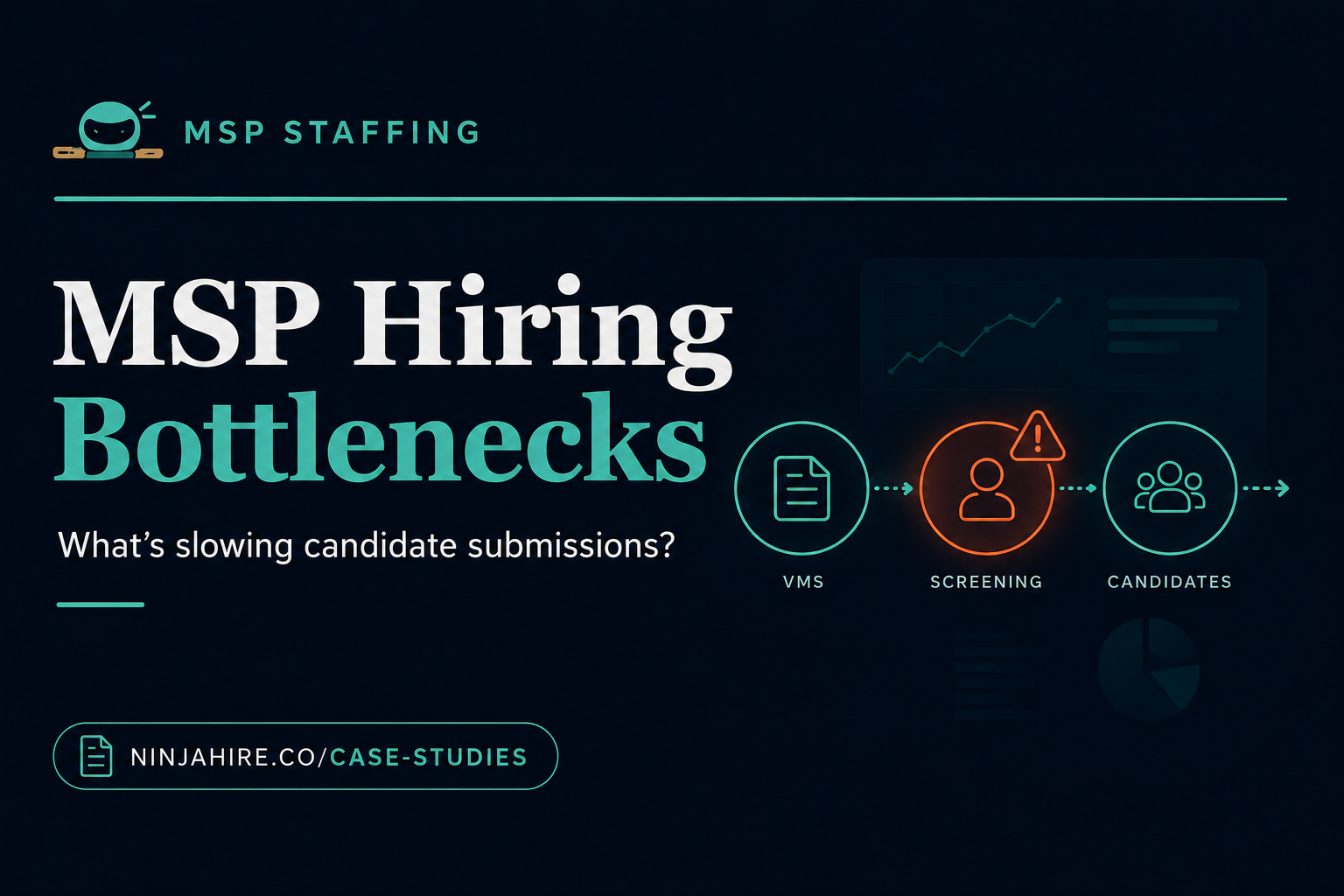
- System Integration: Building a cohesive, interconnected technology stack where the Applicant Tracking System (ATS), Vendor Management Systems (VMS), automated screening channels, and communication touchpoints share data cleanly without manual replication.
- Operational Intelligence: Moving past lagging financial reports (such as monthly net fee income) and managing by leading operational metrics that predict delivery health weeks before a placement invoice is generated.
Without a dedicated focus on these operational elements, a staffing firm operates as a collection of disjointed silos, leaving its overall revenue highly vulnerable to individual recruiter turnover and market volatility.
Why Recruiting Performance Becomes Unpredictable
When a recruitment delivery engine breaks down, the symptoms are easy to spot: missed submittal windows, unhappy enterprise accounts, and fluctuating placement margins. However, fixing these issues requires diagnosing the systemic operational root causes rather than simply lecturing your team to pick up the phone.
Recruiter Dependency and Tribal Knowledge
In an unoptimized agency, the "process" lives entirely in the heads of your top three senior producers. They have built personal short-cuts, custom templates, and private talent networks over a decade. When these producers take a vacation or accept a competing offer, their delivery capacity goes out the door with them. Junior hires are left without an operational blueprint, resulting in uneven delivery quality across your desks.
Process Variability
If you ask five different recruiters in your firm how they qualify a candidate's salary expectations, verify a certification, or obtain a Right to Represent (RTR), and you receive five different answers, your firm does not have a standardized process. This variability leads to erratic presentation quality, high VMS rejection rates, and compliance errors that can damage valuable client contracts.
Poor Workflow Visibility
Many operations leaders manage their pipelines looking in the rearview mirror. They review weekly placement reports to see what went wrong, but they lack a real-time dashboard to monitor candidates stuck between the "Screened" and "Submitted" stages. Without this early-stage workflow visibility, leadership cannot intervene to save a stalling account until after the submittal window has closed.
Administrative Overload
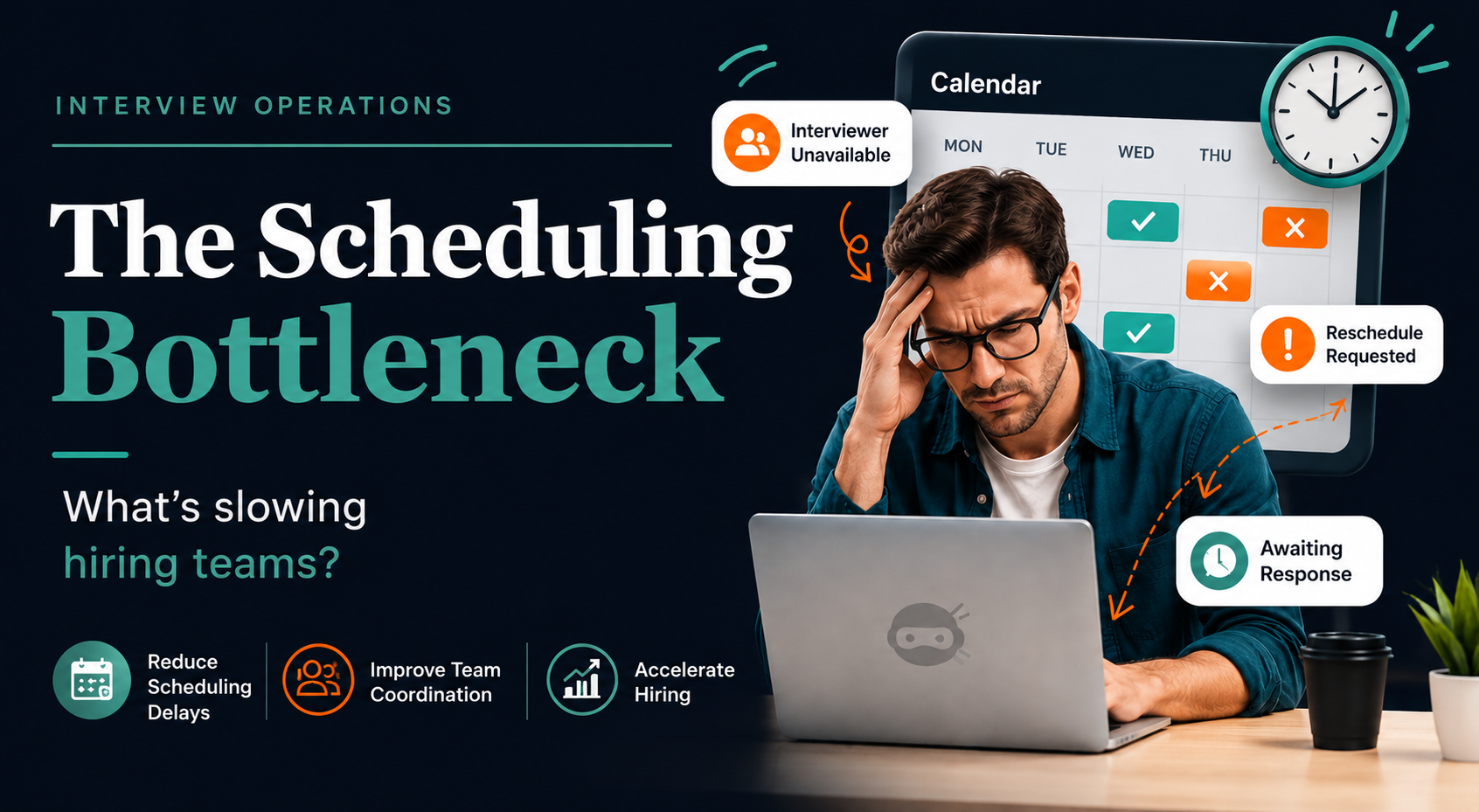
The average recruiter spends less than 35% of their working day engaged in active candidate conversations. The remaining 65% is consumed by administrative friction: manual data entry, copy-pasting job requirements from a VMS into an ATS, formatting resumes to remove contact details, and sending endless scheduling emails. This administrative burden creates an operational ceiling on how many requisitions an individual can manage simultaneously.
Reactive Delivery Management
When a wave of client job orders drops, unmanaged teams default to a first-in, first-out mindset or rush toward the easiest roles to fill. They prioritize based on comfort rather than strategic value or fill probability. This reactive posture leads to poor coverage on high-margin, exclusive accounts while team hours are wasted on crowded, low-yield VMS orders.
The Operational Chain of Friction
The Four Layers of Predictable Recruiting Operations
To transform an unpredictable delivery environment into a reliable production engine, staffing leaders must implement a comprehensive framework that addresses every layer of their recruiting infrastructure.
Layer 1: People
A scalable operation begins with explicit role clarity. The traditional 360-degree recruitment model—where one person signs the client, sources the candidate, handles formatting, checks compliance, and manages onboarding—is highly inefficient under pressure.
Scale-ready firms divide these tasks into specialized functions: sourcers handle top-of-funnel talent discovery, recruiters focus on qualification and relationship building, and operations support specialists manage data entry and VMS compliance. This structure ensures that your highest-paid talent spends their time on high-value, revenue-generating activities.
Layer 2: Process
Every step of the delivery lifecycle must be standardized and documented in a master playbook. You must establish strict "Quality Gates" before a profile moves forward.
For example, a candidate cannot be submitted to a client until their rate alignment, active certifications, and geographic logistics have been formally verified and logged in the system. Standardizing these operational steps removes guesswork and ensures consistent delivery, regardless of which recruiter is running the desk.
Layer 3: Technology
Technology should function as an operational multiplier, not an expensive digital filing cabinet. Instead of expecting recruiters to manually monitor client portals, look for workflow automation tools that parse job orders instantly, cross-reference them against internal pipelines, and trigger targeted automated communications.
By automating routine administrative tasks like scheduling and baseline qualification, you allow your team to operate at maximum efficiency.
Layer 4: Visibility
The final layer is real-time visibility. Leadership dashboards must track leading operational metrics—such as time-to-parse, initial outreach response rates, and submittal velocity—rather than just trailing billing data.
Having clear visibility into your active pipelines allows you to spot operational blockages instantly, reallocate resources to high-priority accounts, and accurately project monthly placement volumes.
Why Process Optimization Matters More Than Hiring More Recruiters
When a staffing firm wins a new enterprise contract or encounters a sudden surge in job volume, the executive instinct is almost always to call a recruiter and add internal headcount. We have more job orders, so we need more people to pick up the phones.
This linear approach to scaling masks an operational risk: compounding complexity overhead.
When you add headcount to an unoptimized, manual workflow, you are multiplying your internal communication complexity. New hires require training, job boards, seats, and continuous managerial oversight. They end up stepping on each other's toes—sourcing the same candidates from the same external databases, sending conflicting messages, and cluttering the ATS with unformatted data.
As a result, your internal overhead costs rise faster than your placement revenue, leading to severe margin compression.
True operational leverage occurs when you focus on staffing process improvement to expand the per-capita output of your existing team. By stripping away administrative friction and standardizing the delivery path, you can help a small team of calibrated recruiters handle a much higher volume of job orders, allowing your net margins to expand as your business scales.
The Metrics That Predict Recruiting Performance
To run a predictable staffing business, you must measure the specific operational activities that lead to placements. If your leadership team only reviews trailing financial results at the end of the month, you are managing your pipeline completely blind.
Time-to-Submit
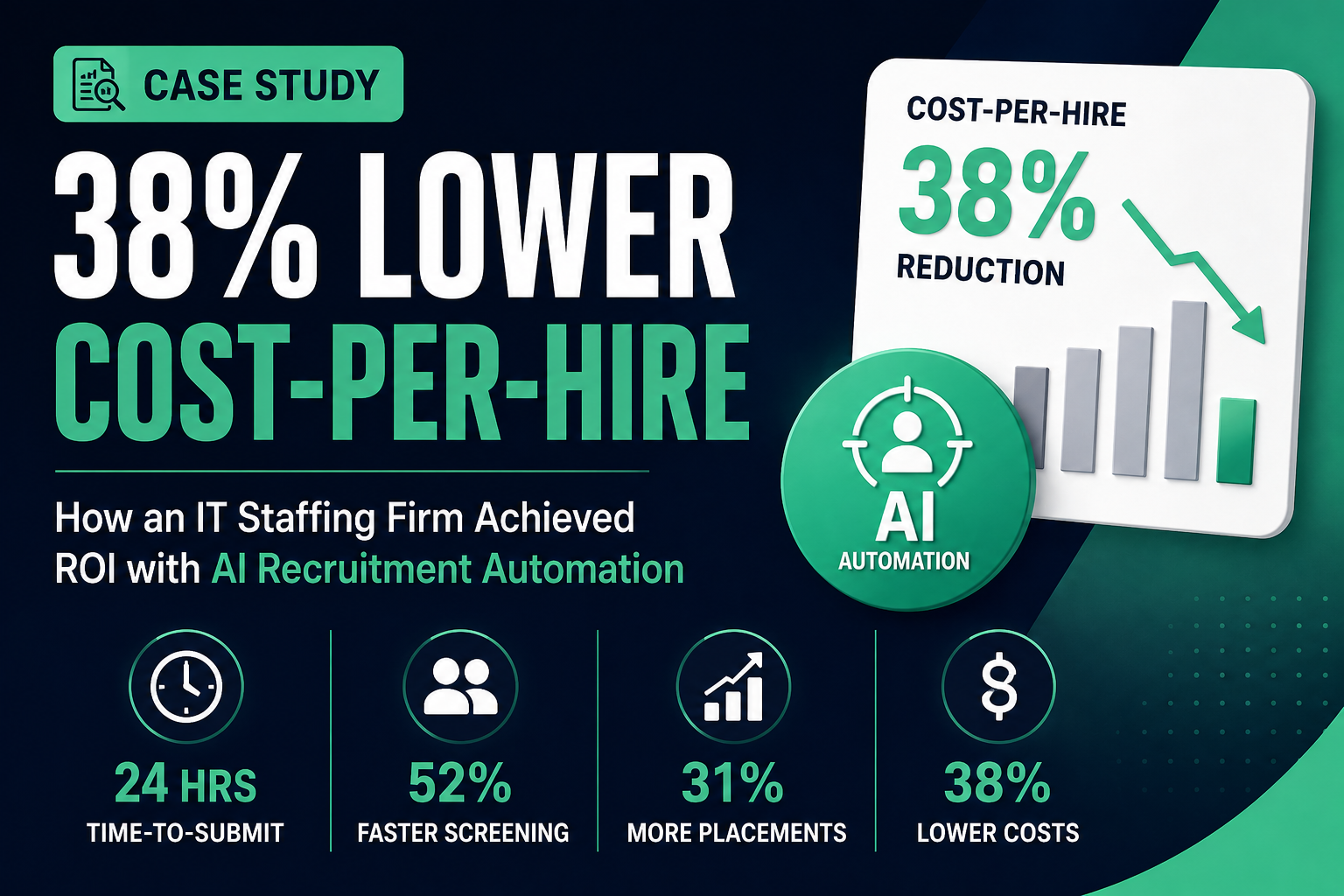
The exact number of hours that pass between a client releasing a requisition and your team uploading a fully qualified candidate into the VMS or manager's inbox. In high-volume contingent programs, this is the single most critical leading indicator of fill rate probability.
Submission-to-Interview Ratio
The percentage of your submitted profiles that a client accepts for a formal interview. If this ratio drops significantly, it indicates that your team is sacrificing quality for speed, rushing unverified candidates into the pipeline to hit submission targets.
Candidate Response Rate
The percentage of candidates who engage with your initial outreach campaigns. A sudden drop here suggests that your sourcing team's messaging templates are missing the mark or that your brand's communication channels are hitting spam filters.
Recruiter Utilization
The exact proportion of a recruiter's working day spent on candidate-facing interactions (phone calls, video interviews, closing conversations) versus back-office administrative tasks. Your operational goal should be to keep this above 70% by automating routine tasks.
Revenue Per Recruiter
Your total annual net fee income divided by your internal recruitment headcount. This is the ultimate baseline measure of your firm's operational efficiency. When process optimization is successful, this metric should rise even as your total volume scales up.
Operational Performance Targets
Case Study: Creating Consistency Across a Growing Staffing Operation
The Challenge
An established national staffing organization specializing in light industrial and technical professional services experienced a significant surge in requisition volume after securing several tier-one MSP accounts. Within 60 days, their active job orders jumped from 80 open roles to over 300.
The firm's executive team initially tried to handle the influx by hiring five additional full-cycle recruiters.
However, their operational metrics quickly deteriorated. The overall time-to-submit rose to an average of 52 hours, causing them to miss critical submittal windows on high-priority roles. Even worse, performance across their desks became highly uneven: three senior producers were generating 75% of the placement revenue, while the rest of the team struggled with high candidate drop-off rates and data entry backlogs.
The firm was scaling its internal headcount and overhead, but its final fill rate was dropping, resulting in a direct hit to net profitability.
The Strategic Redesign
The Chief Operating Officer stepped in to transition the delivery engine from a traditional manual setup to an automated, scale-ready infrastructure using the NinjaHire recruiting operations enablement platform.
The operational overhaul focused on three main pillars:
- Restructuring Team Roles: The firm eliminated the traditional full-cycle recruiter model for these high-volume accounts. They built specialized teams: dedicated sourcers managed the top-of-funnel pipeline, core recruiters focused entirely on candidate engagement and relationship management, and an operations specialist oversaw compliance and VMS tracking.
- Automating Top-of-Funnel Vetting: Instead of having recruiters spend their mornings dialing unverified applicants, the firm used NinjaHire to deploy automated voice and text qualification plays. The moment a job order entered the system, the platform initiated an automated screening campaign to verify baseline qualifications like rate alignment, shift availability, and active certifications.
- Real-Time Progress Tracking: Leadership built a central visibility dashboard that monitored candidate movement through every stage of the pipeline, making it easy to identify and fix bottlenecks before they could impact client relationships.
The Outcomes
Within 60 days of implementing the new automated workflow infrastructure, the firm's delivery metrics stabilized, demonstrating that process structure can outperform simple headcount expansion:
- Time-to-Submit: Dropped by 87%, stabilizing at an average of 6.5 hours from initial VMS publication to final client presentation.
- Per-Capita Recruiter Output: Individual recruiter submittal volume increased by 3.5x, allowing the firm to handle the volume surge without adding more headcount.
- Submission-to-Interview Ratio: Improved from an erratic 6:1 down to a highly consistent 2.8:1, ensuring high-quality submissions for client hiring managers.
- Net Margin Growth: By reducing manual data entry and optimizing internal workflows, the firm cut its overall cost-per-hire, driving a 22% increase in net delivery margins during the expansion phase.
The Future of Staffing Operations
The enterprise staffing industry is undergoing a structural shift. As corporate clients demand faster response times and tighter compliance standards, the traditional model of relying on manual data entry and unoptimized processes is becoming unsustainable.
- Automated Workflow
Orchestration: Future recruitment platforms will automatically guide candidates through your pipeline steps—triggering skills tests, scheduling phone screens, and updating client portals based on candidate actions without requiring manual recruiter clicks. - Intelligent Recruiter Copilots: Next-generation tools will handle time-consuming administrative work like writing interview summaries, formatting resumes to match client-specific guidelines, and surface matching talent within your database automatically.
- Predictive Delivery Analytics: Emerging operational dashboards will analyze historical pipeline performance to project your chances of filling open roles in real time, allowing leadership to allocate team resources to the highest-yield accounts ahead of schedule.
Frequently Asked Questions
Build a Predictable Production Engine
Relying on individual producer heroics to hit your placement targets creates an operational ceiling that limits your firm's growth. True business scalability requires moving past legacy, manual recruitment habits.
By standardizing your delivery workflows, specializing your team roles, and implementing intelligent operational automation, you can eliminate pipeline volatility, protect your net margins, and build a highly predictable, scale-ready staffing business.
Assess Your Staffing Operations Health
Identify the hidden friction points slowing down your talent delivery. Partner with NinjaHire today for a comprehensive, consultative operations review tailored to your scaling goals:
- Process Audit: A complete step-by-step review of your current job ingestion, screening, and profile submission pathways.
- Workflow Maturity Assessment: Evaluating your current workflows against industry-leading enterprise staffing organizations.
- Recruiter Utilization Analysis: Measuring the exact ratio of time your team spends on manual administration versus active candidate engagement.
- Delivery Consistency Review: Analyzing your pipeline metrics to find and fix performance variations across your desks.
- Automation Opportunity Analysis: Pinpointing the highest-impact areas where technology can eliminate manual data entry and accelerate your speed-to-market.
Schedule Your Consultative Operations Audit Today
Other insights