.png)
Fixing Recruiting Bottlenecks in MSP-Driven Hiring Workflows
October 8, 2026
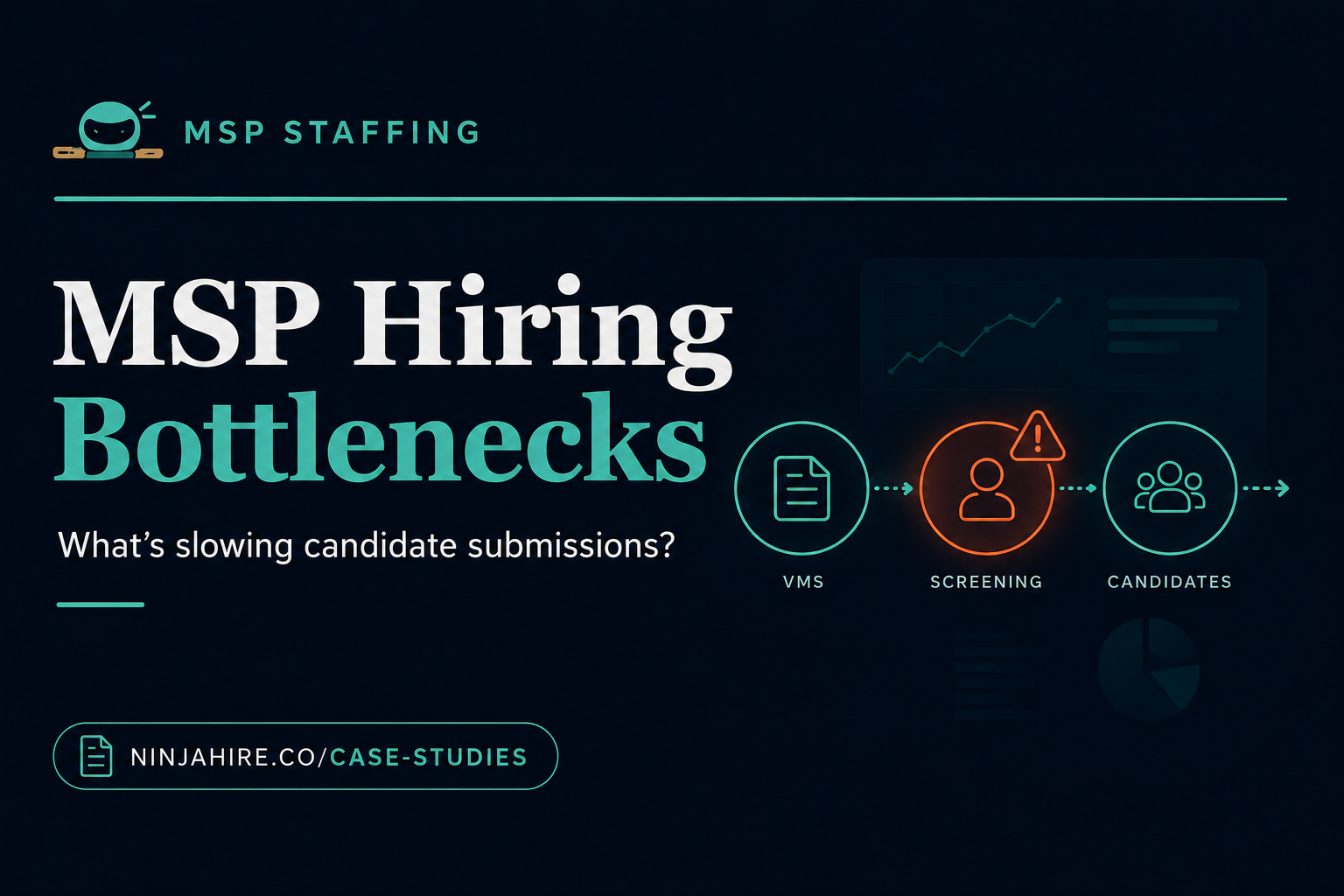
Managed Service Provider (MSP) programs handle billions of dollars in contingent labor spend globally. For enterprise staffing agencies, securing a spot on a tier-one MSP supplier list is highly lucrative. However, many agencies discover that entering the program is only the first hurdle. The real challenge lies in surviving the operational pressure cooker of the MSP recruiting workflow.
Enterprise talent acquisition operations are frequently bogged down by volume-heavy, highly regimented processes. Staffing firms face a continuous influx of automated requisitions via Vendor Management Systems (VMS), shrinking submission windows, and rigid service-level agreements (SLAs). When a recruiting workflow develops friction, the financial impact is immediate: candidate submittal windows close, scorecard metrics drop, tier status is downgraded, and placements vanish.
To protect margins and capture market share within enterprise accounts, staffing operations leaders must move past manual processes. This guide provides a strategic framework to isolate, analyze, and eliminate the systemic bottlenecks that limit recruiter productivity and depress fill rates in high-volume MSP environments.
What an MSP Recruiting Workflow Actually Looks Like
An MSP recruiting workflow is the end-to-end operational process through which an enterprise client captures contingent labor demands, distributes those openings to staffing suppliers via a VMS, and manages the sourcing, evaluation, compliance, and onboarding of contingent workers.
Unlike direct retail accounts where a recruiter might text a hiring manager directly, the MSP ecosystem relies on a structured, multi-tiered architecture designed for governance, cost control, and risk mitigation.
Every stage of this workflow represents a critical operational handoff:
- Requisition Intake & VMS Distribution: The enterprise client creates a hiring request. The MSP program office reviews it for budget compliance and releases it into the VMS, either to all suppliers at once or in tiered waves.
- Job Ingestion & Allocation: The staffing firm’s operations team extracts the job details from the VMS, checks for formatting, and routes it to an internal recruitment team based on specialization and availability.
- Candidate Sourcing & Internal Screening: Recruiters query internal talent pipelines, search external databases, contact passive talent, and conduct initial phone screens to verify skills, availability, and rate alignment.
- Qualification & Right to Represent (RTR): The recruiter obtains explicit consent (the RTR) from the candidate and collects necessary submission details like partial Social Security numbers, birth days/months, or specific certifications.
- VMS Submission: The staffing firm uploads the resume, candidate profile, and rate structure into the VMS, ensuring all fields exactly match the client’s strict submittal guidelines.
- MSP Review & Hiring Manager Selection: The MSP program office screens the initial wave of supplier submissions, rejects those that fail basic criteria, and forwards the top profiles to the corporate hiring manager.
- Interview Coordination: The hiring manager selects candidates for interviews. The MSP coordinates times across various supplier contacts, who then must sync with their respective candidates.
- Offer, Compliance Validation, and Onboarding: Once a candidate is selected, the supplier extends the offer, initiates background checks, drug screens, and credential verification, and confirms compliance before the worker starts.
The Vulnerability of the Handoff
Every step in this sequence requires data verification, communication across different organizations, and manual data entry. Because an MSP environment functions as a competitive race where the first qualified submissions win, even a 30-minute delay at any handoff point can disqualify an otherwise perfect candidate.
The 7 Biggest Recruiting Bottlenecks in MSP Programs
Operational friction rarely stems from a single failure; it accumulates across the entire lifecycle of a job order. Below are the seven primary bottlenecks within the enterprise staffing workflow that erode performance.
1. Slow Requisition Intake and Allocation
- Root Cause: Reliance on manual VMS monitoring or basic email alerts. Operations support teams must log into multiple VMS portals, copy job data, paste it into an internal Applicant Tracking System (ATS), and assign it to recruiters.
- Operational & Recruiter Impact: For high-volume roles with a 48-hour submission window, spending four hours just getting the job into the hands of a recruiter burns 10% of the entire sourcing window. Recruiters receive job orders that are already cold.
2. Candidate Sourcing Delays
- Root Cause: Disconnected database structures. Recruiters run repetitive boolean searches across internal databases and external job boards, reaching out to the same candidates without coordinated visibility.
- Operational & Recruiter Impact: Recruiter productivity drops when teams waste time calling outdated numbers or pursuing candidates who recently declined another role with the agency. This forces a reliance on expensive, low-yielding external channels rather than utilizing the existing talent pipeline.
3. Resume Screening Bottlenecks
- Root Cause: High-volume resume sorting. A single requisition can generate dozens of inbound applicants via automated job postings, requiring manual resume reviews to evaluate skills and experience.
- Operational & Recruiter Impact: Recruiters experience cognitive fatigue reading identical resumes. High-quality profiles sit in queues while a recruiter reads through unqualified applications, extending the overall time-to-submit.
4. Candidate Qualification Delays
- Root Cause: "Phone tag" loops. Confirming a candidate's specific technical skills, logistics preferences, shift availability, and compensation requirements relies on manual calls, voicemails, and emails.
- Operational & Recruiter Impact: Recruiters spend up to 70% of their day trying to reach candidates just to ask basic screening questions. While waiting for a call back to confirm an hourly rate, competitors fill the VMS submittal slots.
5. Submission Workflow Inefficiencies
- Root Cause: Manual, double-entry data management. Recruiters must format resumes to remove contact information, create specific summary summaries required by the MSP, and enter data into both the internal ATS and the client’s VMS portal.
- Operational & Recruiter Impact: Typos and data entry errors cause immediate VMS rejections. This administrative burden limits the number of candidates a recruiter can submit each day.
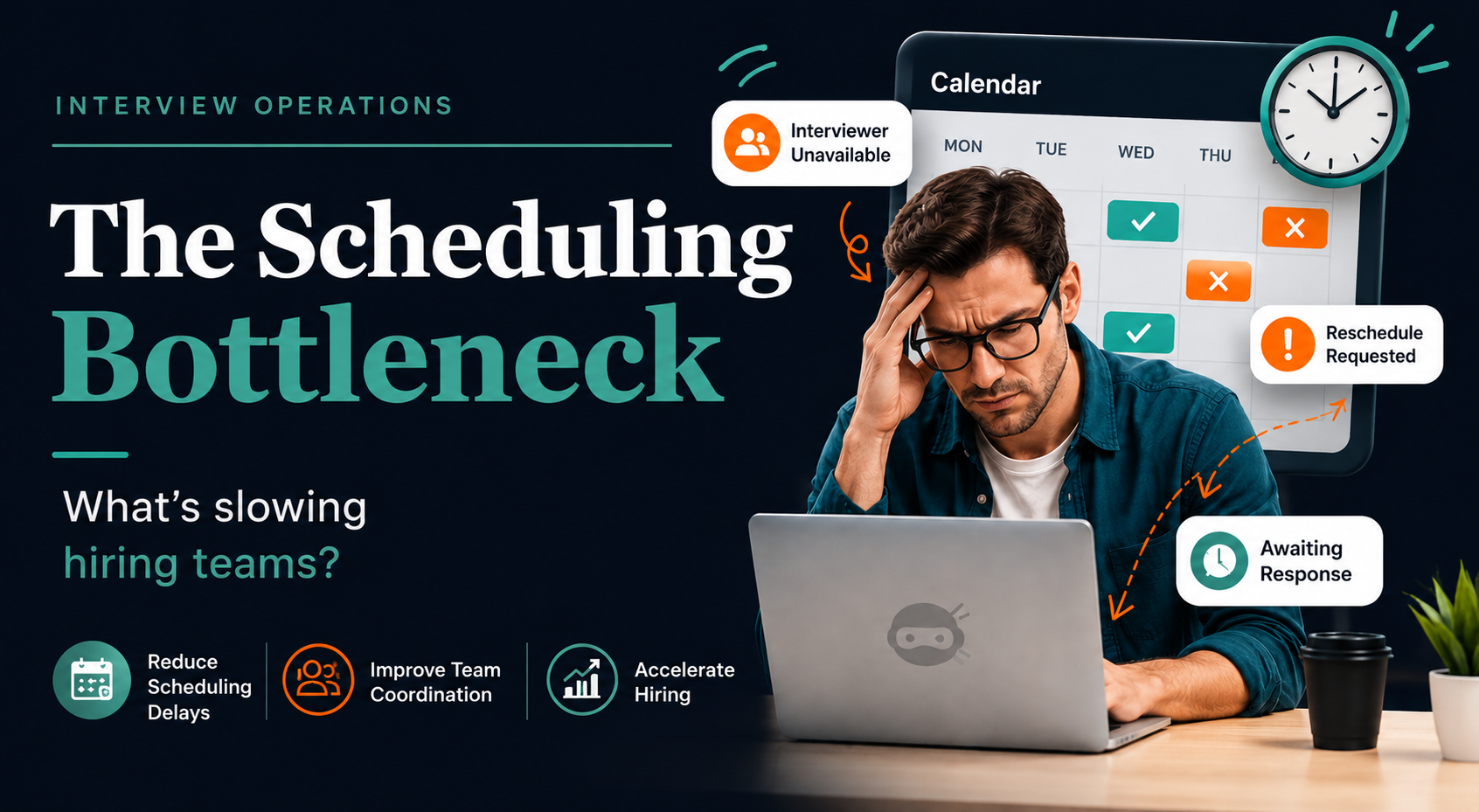
6. Interview Coordination Challenges
- Root Cause: Multi-party scheduling friction. The hiring manager communicates dates to the MSP, the MSP updates the VMS, the staffing operations team alerts the recruiter, and the recruiter calls the candidate.
- Operational & Recruiter Impact: Direct financial loss occurs when candidates drop out due to scheduling delays or accept competing offers while waiting for interview confirmation.
7. Reporting and Compliance Burdens
- Root Cause: Disparate data tracking. Compliance teams must manually gather background checks, drug screens, and certifications from various vendor portals and upload them to the VMS to prevent start date delays.
- Operational & Recruiter Impact: Staffing firms face compliance fines or delayed revenue recognition when workers cannot start on their scheduled dates due to missing paperwork.
Friction directly damages a supplier’s scorecard metrics. MSPs evaluate vendors on key performance indicators (KPIs) like time-to-submit, submittal-to-interview ratio, interview-to-offer ratio, and overall fill rate.
Slow workflows lead to lower scores, which can cause the MSP to move the firm down a tier or restrict access to premium, high-margin roles. Furthermore, high administrative burdens lead to recruiter burnout, driving up internal turnover costs.
Why Traditional MSP Recruiting Models Are Struggling
The traditional model of contingent staffing—relying primarily on human effort to source, dial, screen, and enter data—is reaching its operational limit. Enterprise programs have evolved, leaving manual workflows at a distinct disadvantage.
1. Increased Competitive Pressures
MSPs regularly expand their supplier lists to lower costs and broaden access to talent. A single job order might be broadcast to 30 or 40 staffing agencies simultaneously. In this environment, relying on manual processes means your team is consistently outpaced by more agile competitors.
2. Tighter SLAs and Decreasing Margins
Enterprise clients continue to negotiate lower markups while demanding faster response times and higher compliance standards. Staffing firms cannot simply hire more operations staff to handle increased volume without eroding their remaining net margins.
3. Shifting Candidate Expectations
Contingent workers expect fast, clear communication. If an agency's screening process requires multiple phone calls just to verify baseline information, top talent will gravitate toward automated, digital-first staffing platforms that respect their time.
How Staffing Workflow Automation Removes Bottlenecks
To remain competitive, forward-looking staffing organizations are adopting staffing workflow automation and advanced recruiting workflow automation. These systems replace manual data entry and repetitive tasks with smart, automated processes, allowing recruiters to focus on candidate engagement and relationship building.
Automated Requisition Routing
Instead of relying on operations staff to manually check VMS portals, automation platforms scan VMS environments in real time using secure APIs or advanced parsing models. Job details are captured instantly, categorized by skill taxonomy, mapped to internal talent pipelines, and assigned to appropriate recruiting desks within minutes of release.
AI Candidate Matching
When a new job order enters the system, automated matching algorithms scan internal talent databases to identify and rank existing candidates based on skills, geography, and historical data. This approach surfaces qualified talent immediately, reducing reliance on external job boards.
Automated Screening and Qualification
Rather than spending days on initial phone screens, recruiters use automation tools to send text or voice-based screening invites to qualified prospects. These systems gather baseline criteria such as rate expectations, shift preferences, availability, and specific technical certifications.
Automated Scheduling
When an MSP requests an interview, the platform syncs directly with the recruiter’s and candidate’s calendars, offering real-time availability slots via text or email. This eliminates the back-and-forth communication loop, locking down schedules in minutes.
Automated Compliance and VMS Mapping
Advanced automation tools map internal ATS fields directly to VMS formatting requirements. Resumes are automatically formatted to fit client-specific templates, and candidate data maps cleanly across platforms, reducing manual entry errors and submission delays.
Case Study: Operational Efficiency in an MSP Environment
The Challenge
A top-100 enterprise staffing firm specializing in healthcare and IT talent struggled to maintain its tier-one status within a major healthcare MSP. The firm faced a high volume of daily requisitions across multiple regional facilities, but its time-to-submit averaged 54 hours.
Recruiters spent a significant portion of their day reviewing inbound applicants, cross-referencing past credentials, and manually entering candidate data into the client's VMS portal. As a result, their submittal-to-hire ratio dropped, and the firm risked losing its preferred supplier status.
The Solution
The firm integrated NinjaHire’s workflow automation platform into its existing tech stack. The deployment focused on three key operational areas:
- Instant VMS Job Parsing: Requisitions were ingested and routed to appropriate team dashboards within five minutes of publication.
- Automated Qualification: High-potential candidates in the database received immediate, automated text and voice screening inquiries to confirm availability and current credentials.
- One-Click VMS Formatting: Candidate records and structured screening transcripts were automatically formatted to comply with MSP guidelines, allowing for quick submission.
The Results
By automating routine administrative tasks, the firm shifted its operational performance:
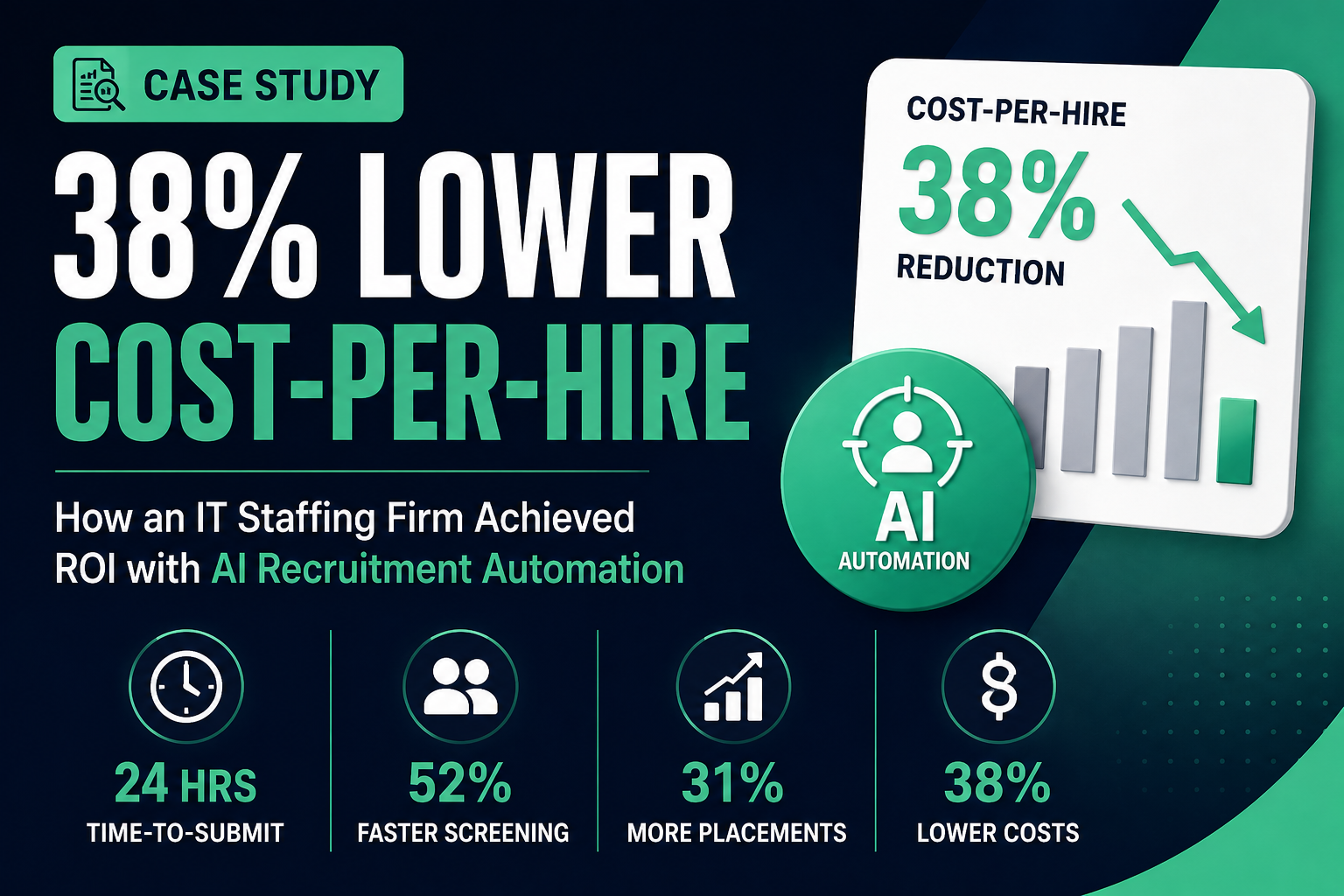
- Time-to-Submit: Dropped from 54 hours to 4.5 hours for high-priority positions.
- Recruiter Capacity: Individual recruiter submittal capacity increased by 2.5x without increasing weekly hours.
- Fill Rate: The firm's overall fill rate within the MSP grew by 31%, securing its tier-one supplier ranking and expanding its market share in the program.
The Future of MSP Recruiting Workflows
Enterprise contingent workforce management is moving toward intelligent, integrated operations. Staffing leaders should monitor several key developments:
- Conversational AI Screeners: Initial candidate screening is evolving from simple text forms to interactive voice and chat systems that handle nuanced qualifications and answer candidate questions about shift details in real time.
- Predictive Talent Pipelines: Machine learning models will analyze historical MSP hiring cycles to forecast upcoming demand, prompting recruiters to build pipelines before official requisitions are released.
- Autonomous VMS Syncing: Deep integration between internal ATS platforms and enterprise VMS systems will make manual data entry obsolete, allowing data to sync securely across platforms throughout the hiring lifecycle.
Request an MSP Workflow Optimization Audit
Assess the efficiency of your enterprise contingent hiring operations. Contact NinjaHire today for a strategic, consultative analysis focused on your delivery models:
- Workflow Mapping: A detailed review of your current job ingestion and candidate submission pathways.
- Bottleneck Identification: Pinpointing the specific manual steps slowing down your response times.
- Recruiter Capacity Assessment: Evaluating your team's administrative workload relative to revenue-generating activities.
- Automation Opportunity Analysis: Identifying key areas where technology can eliminate manual data entry.
- AI Readiness Score: A practical evaluation of your infrastructure's compatibility with advanced recruitment automation.
Schedule Your Operational Audit Today






.jpg)